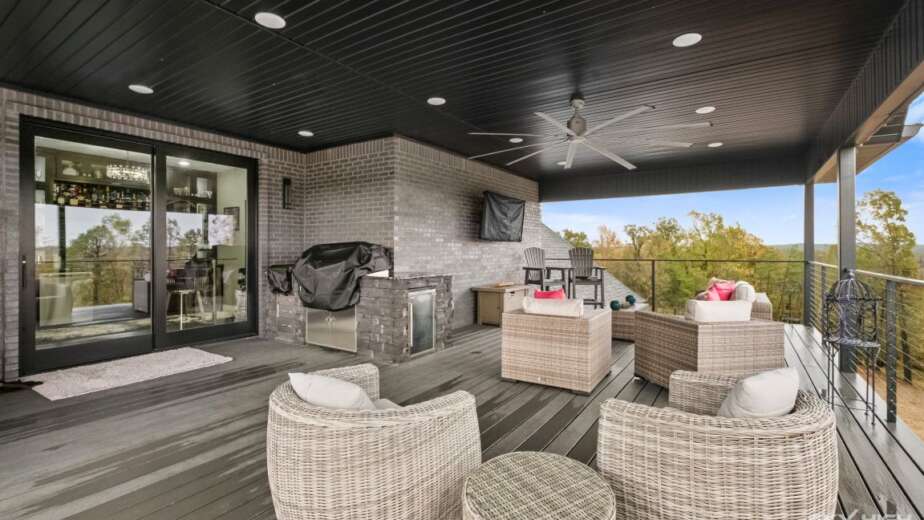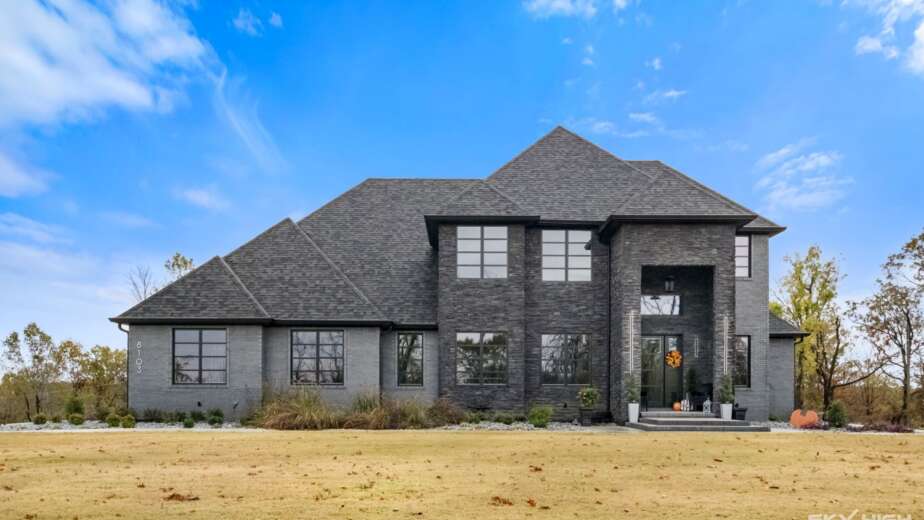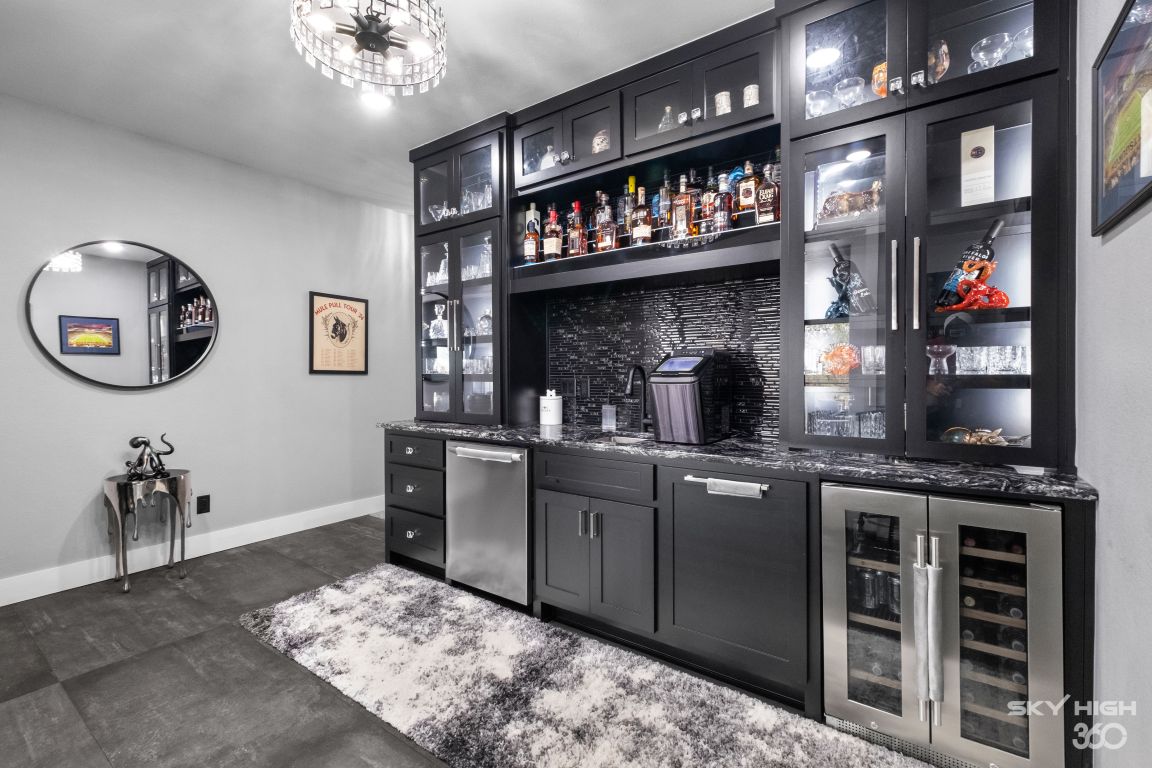
Hiring a home builder contractor is the decision that determines how a residential construction project actually runs. The term covers a wide range of firms, from a one-person operation running a single job to an integrated design-build company managing a full custom home from land evaluation through final walkthrough. Understanding what the role actually includes, and what to verify before signing, is what separates a controlled project from a frustrating one.
LuxeCraft Custom Homes works throughout Rogers, Bentonville, Bella Vista, Springdale, Fayetteville, Lowell, Cave Springs, and nearby Northwest Arkansas communities. This guide explains what a home builder contractor does. It also covers related trades, selection steps, and key contract and insurance details.
This guide helps homeowners planning a custom home, major addition, or whole-home renovation. It explains the relationship before you enter it.
What a Home Builder Contractor Actually Does
A home builder contractor takes overall responsibility for delivering a construction project. They schedule and sequence each trade, purchase materials, obtain permits, and coordinate inspections. They also manage the job site, track the budget, process change orders, and deliver a home that passes final inspection.
Homeowners often underestimate the coordination involved. A single custom home requires excavation, foundation, framing, roofing, plumbing, electrical, HVAC, insulation, drywall, cabinetry, flooring, tile, paint, and finish carpentry. It also involves surveyors, engineers, and inspectors. Each trade must arrive in the right order after the prior trade finishes and passes inspection. A home builder contractor manages this sequence continuously. That coordination represents much of what a homeowner pays for beyond materials and labor.
Problem resolution makes up the other half of the role. Materials arrive damaged. Subcontractors fall behind. Excavation can reveal unexpected rock. A good home builder contractor responds, resequences the work, and communicates the impact. The homeowner should not discover a delay weeks later.
Home Builder Contractor Versus General Contractor Versus Remodeler
The terms overlap, and people often use them interchangeably. However, the distinctions matter when hiring. A general contractor executes construction from completed plans. An architect the homeowner hires separately typically produces those plans. The relationship begins after the design is complete.
A home builder contractor on a design-build model joins the project earlier. They evaluate land and participate in design development. They provide cost feedback while drawings change and carry the project through construction. This early involvement helps prevent an expensive design that exceeds the budget.
A remodeler focuses on work inside an existing structure. That work requires a different skill set. Remodelers assess existing conditions, work around hidden issues, and manage jobs in occupied homes. Some firms do both well. Many excel at one type of work, so ask which the firm does most.
Licensing and Insurance to Verify
In Arkansas, residential contractors above the state threshold must hold a license through the Arkansas Contractors Licensing Board. License verification takes only minutes. Confirm that the license is current and has the correct classification. It should also belong to the entity signing the contract, not a related name.
Insurance matters just as much. A home builder contractor should carry general liability and workers compensation coverage. They should provide certificates that name the homeowner when appropriate. Without workers compensation coverage, a homeowner may face exposure when someone suffers an injury on the property. Request certificates directly from the insurer. Coverage lapses are not uncommon.
Also confirm that subcontractors carry their own coverage and that the home builder contractor verifies it. A firm that tracks subcontractor insurance as a matter of process is generally running the rest of its business the same way.
How a Home Builder Contractor Prices Work
There are two common structures. A fixed price contract states a total, with the home builder contractor absorbing cost variance within the defined scope. A cost plus contract with a guaranteed maximum price passes actual costs through with a stated fee, capped at an agreed ceiling, and typically returns unspent contingency to the homeowner.
Neither is universally better. Fixed price gives budget certainty and usually carries more contingency inside the number. Cost plus gives visibility into real costs and can cost less on a project that runs smoothly, with less certainty up front. What matters is that the homeowner understands which they are signing and how it behaves when something changes.
In either structure, ask for a line-item budget organized by division, with allowances stated clearly. A home builder contractor unwilling to break the number down is asking for trust in a figure the homeowner cannot evaluate, and that reluctance rarely improves after the contract is signed.
Allowances and Change Orders
Allowances are budget placeholders for items not yet selected, commonly flooring, plumbing fixtures, lighting, appliances, and countertops. Two bids can look similar while carrying very different allowances, and the one with lower allowances will look cheaper until real selections are made. Homeowners comparing bids should normalize allowances before concluding anything about price.
Change orders handle scope that shifts after the contract. Some are homeowner driven, such as upgrading a material or moving a wall. Some are condition driven, such as rock encountered during excavation. A well-run home builder contractor documents each in writing, prices it before work proceeds, and gets written approval. A firm that performs changes verbally and reconciles at the end is creating a dispute.
Ask how change orders are priced, what markup applies, and how long approval typically takes. Ask to see a real change order from a past project. The answers reveal a great deal about how the relationship will function under pressure.
Scheduling and What the Timeline Should Show
A home builder contractor should provide a construction schedule, not just a completion date. The schedule should show major phases, their durations, and the dependencies between them, along with the decision deadlines the homeowner needs to meet for selections and long lead items.
Long lead items are a frequent source of avoidable delay. Windows, appliances, specialty tile, and custom cabinetry often require months between order and delivery. A home builder contractor who identifies those deadlines early and holds the homeowner to them protects the schedule. One who discovers a lead time problem when the installer arrives has not been managing it.
In Northwest Arkansas, regional growth has kept demand on trades high, which affects both scheduling and subcontractor availability. A contractor with long-standing crew relationships generally gets better dates than one assembling a team job by job.
Communication During Construction
The difference between a good and a poor construction experience is usually communication rather than craftsmanship. Homeowners should know, before signing, who their day-to-day contact is, how often they will receive updates, and what channel is used. Weekly written updates covering schedule status, budget status, and upcoming decisions is a reasonable standard.
Site access matters too. Ask when the homeowner can visit, whether they can walk the site unaccompanied, and how questions raised on site get documented. A home builder contractor comfortable with an engaged client generally has nothing to hide about how the work is being done.
Evaluating a Home Builder Contractor Before Signing
Ask how many projects the firm runs at once and who supervises each. Ask to meet the superintendent who will actually be on site. Ask how long the firm has worked in the specific jurisdiction where the project sits, since permitting familiarity varies meaningfully between Rogers, Bentonville, Springdale, Fayetteville, and county areas.
Request references from projects completed two or more years ago, not only recent ones. Ask those homeowners whether final cost landed near contract, how problems were handled, and what warranty response looked like after move-in. Ask what they would do differently.
Visit an active job site if possible. A well-run site is organized, materials are protected, debris is contained, and the crew knows what they are doing that day. Job site condition is one of the more reliable indicators of how a home builder contractor operates, and it is visible in ten minutes.
Contract Terms Worth Reading Closely
The scope of work should be specific enough that both parties can tell what is and is not included. Vague scope is the root of most disputes. The payment schedule should tie draws to completed and inspected milestones rather than to calendar dates.
Look for the warranty terms, what is covered and for how long. Look for how disputes are resolved. Look for lien waiver provisions, which protect the homeowner from a subcontractor filing a lien on the property if the home builder contractor fails to pay them. Look for what happens if the schedule extends substantially, and what remedies exist.
None of this requires an adversarial posture. A clear contract protects both parties, and a contractor who welcomes questions about it is demonstrating exactly the transparency a homeowner should want.
Warranty and the First Year After Completion
The relationship with a home builder contractor does not end at the certificate of occupancy. Systems need commissioning and adjustment. Materials move through their first full cycle of seasonal humidity and temperature. Small issues surface in the months after move-in that nobody could have caught during the walkthrough.
Ask what the written warranty covers and for how long. Ask who responds to a warranty call, what the typical response time is, and whether there is a scheduled follow-up visit at some point in the first year. Many firms conduct a formal eleven-month review before a one-year warranty expires, which is a good sign of a builder who expects to stand behind the work.
Then verify it with references rather than accepting the answer at face value. Post-completion responsiveness varies more between firms than almost any other factor, and it is the one homeowners rarely think to evaluate while they are focused on getting the project started.
Red Flags Worth Taking Seriously
A bid substantially below the others, without a clear explanation, usually reflects missing scope or optimistic allowances rather than efficiency. A request for a large deposit before work begins is worth questioning, since a properly capitalized home builder contractor does not need the homeowner to fund startup.
Reluctance to provide a written contract, a line-item budget, or proof of insurance is disqualifying. Pressure to decide quickly is a warning. So is an inability to name the superintendent or to produce references from completed projects.
Finally, be cautious with certainty that no builder can deliver, such as a guaranteed move-in date many months out or an assurance that nothing unforeseen will arise. Honest contractors describe ranges and contingencies.
Why LuxeCraft
LuxeCraft Custom Homes operates as a hands-on home builder contractor across Northwest Arkansas, taking a limited number of projects at a time so each receives real attention. We build detailed budgets rather than summary numbers, document change orders before work proceeds, and keep clients informed on schedule and cost throughout construction.
Our local depth is the practical advantage. We know these building departments, we work with subcontractors we have used for years, and we understand what Northwest Arkansas sites actually present, from shallow rock to septic feasibility on acreage outside city limits.
Looking for a Home Builder Contractor? Let’s Connect.
If you are looking for a home builder contractor in Northwest Arkansas and want a straightforward conversation about your project, your site, and what is realistic, LuxeCraft Custom Homes is glad to talk. We will give you an honest read, including if we are not the right fit for what you are planning.
Call us at (479) 718-6622 or visit luxecrafthomes.com to start the conversation. We serve homeowners throughout Rogers, Bentonville, Bella Vista, Springdale, Fayetteville, Lowell, Cave Springs, and the surrounding Northwest Arkansas communities.